Family Literacy Newsletter - January 2026

Literacy in Grand Erie

Welcome to our Family Literacy Newsletter.  We want to share information about reading development, reading instruction in Grand Erie, and ways you can support your developing readers at home. 

Our board is working towards the goal of increasing the overall reading proficiency of all students, with a focus on students in grades 1-3, as early intervention is key in preventing future reading difficulties. 
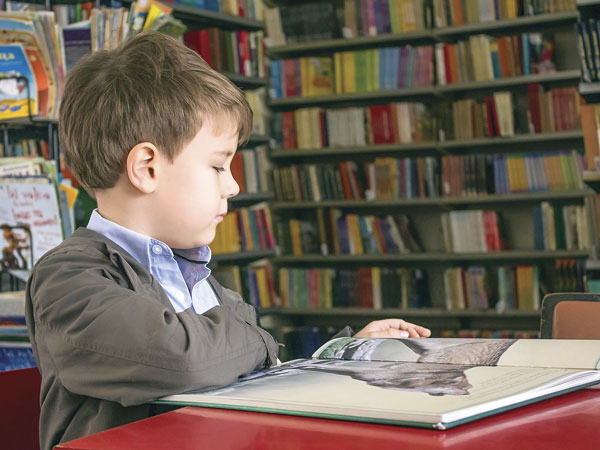
A child reading

What is the role of oral language in reading development?

Human beings are naturally wired to develop oral language – it’s how we communicate with one another.  Written language is a human invention that needs to be explicitly taught.  Readers turn print into language, and just like when listening to language, they need to make sense of it.  Oral language skills provide the foundation on which reading can develop.  Oral language skills include learning how spoken words sound, what words and sentences mean, and how to communicate ideas.  Children need to be able to hear and produce individual sounds to be able to connect them to the letter(s) that represent those sounds, and they need sufficient vocabulary to understand what they are reading. 

Below are some ideas you can use to support your child’s oral language development at home:


Supporting Your Beginning Reader’s Oral Language Development

Reading with/to your child

The language in children’s books is different from the language we use in speaking.  The language in books exposes children to words and grammar patterns they might not hear in regular conversation, providing an opportunity to grow their vocabulary and oral language skills. 

When reading, ask questions, talk about what you see in the pictures, make personal connections to the events in the story, and predictions about what will happen next.  Have as much fun with the conversation around the story as you have with the story itself.  


Have fun with language

Sing together.  You can sing children’s songs or popular songs on the radio.  Singing is a fun way to use words and hear and sing all of the sounds in words. 

Recite poems and nursery rhymes.  


Supporting Your More Experienced Reader’s Oral Language Development

Talk about books

If your child is reading books independently, ask them questions about what is happening in the story, what they think will happen next, and how the book makes them feel.

If your child prefers reading non-fiction texts, ask them about the information they have learned, encouraging them to provide details and build on what they already know about the topic.


Play vocabulary games

Playing word games can provide an opportunity for children to hear, use and play with different words.  Word games are also a great way to pass time and connect while in the car. 

Take turns describing an object, having others try to guess what it is.

Take turns adding to and making up stories.  


Family Literacy Resources

Literacy resources for families are available on the Grand Erie website.  Here you will find information about the skills necessary for skilled reading and activities you can do at home to support your child’s development of these skills. 

Check it out!